


Upgrading your home's climate control is one of the most meaningful improvements you can make for year-round comfort, indoor air quality, and overall efficiency. Across Nova Scotia, homeowners are paying closer attention to how their homes perform through damp spring weather, humid summers, and long winter cold snaps. Choosing the right system is not just about adding new equipment. It is about creating a healthier, more consistent living environment that suits your layout, insulation levels, and day-to-day routine.
Presidential Ventilation Systems works with homeowners who want practical, modern solutions for better temperature control and improved airflow. With more than 30 years of experience serving communities throughout Halifax Regional Municipality and surrounding areas, the team understands the specific demands of the Maritime climate. That local knowledge matters when planning upgrades for coastal homes, older properties, and family houses with varying comfort needs from one room to another.
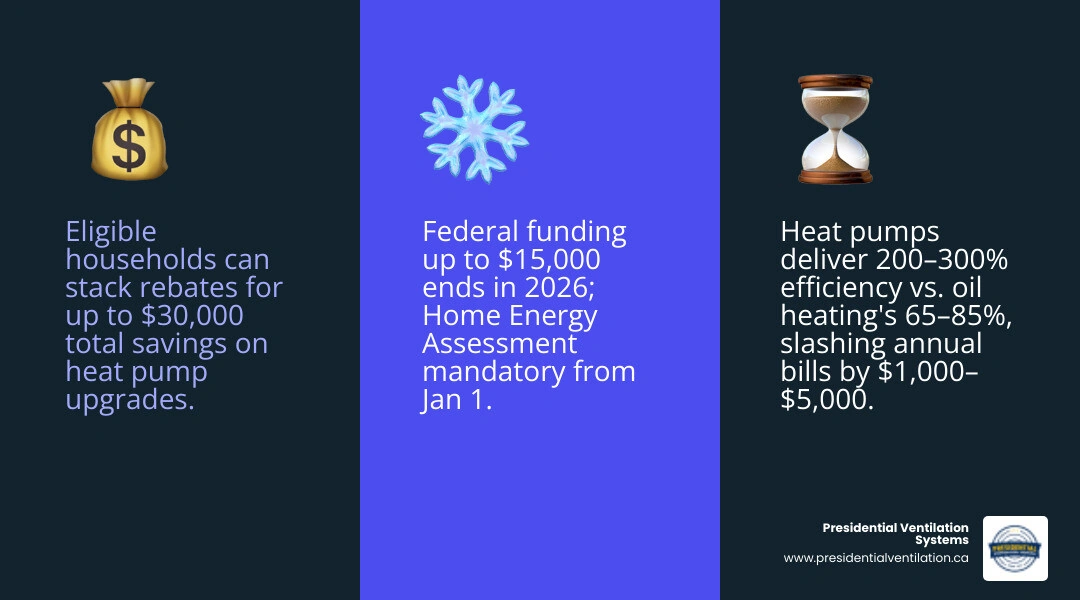
Key facts to know right now:
Homeowners often notice the same warning signs before they decide to upgrade: uneven temperatures between floors, stale indoor air, drafts, noisy operation, or a system that struggles during weather extremes. These issues can point to more than one problem, including poor airflow, aging components, inadequate insulation, or a system that no longer matches the home's needs. A carefully planned upgrade can address those underlying comfort issues instead of only treating the symptoms.
Another important part of the process is looking at the home as a complete system. Ventilation, electrical capacity, insulation, and equipment sizing all affect performance. A modern climate control upgrade works best when those pieces are considered together. That is why many Nova Scotia homeowners benefit from working with a company that can provide coordinated HVAC, electrical, and insulation support under one roof.
Whether you are looking to enhance your indoor air quality or simply want a more reliable way to manage your home's temperature, understanding the options available for your specific property is the first step toward a more sustainable future. With the right guidance, your home can feel more comfortable in every season while supporting long-term efficiency goals.
As we move through April 2026, the conversation around home comfort in Nova Scotia has become more focused on complete, professionally planned upgrades rather than simple equipment swaps. For residents in Halifax, Dartmouth, Bedford, Sackville, and across the HRM, the goal is to create a home that stays comfortable through all four seasons while reducing unnecessary energy loss. Working with a team that understands local construction styles, coastal conditions, and the real-world demands of the region is essential for achieving lasting results.
Every home has a different comfort profile. Some properties have hot upper floors in summer and chilly basements in winter. Others struggle with airflow to additions, sunrooms, or back bedrooms. That is why choosing the right system for your layout matters so much. For many homes in Bedford or Sackville, ductless configurations are a practical solution because they allow targeted comfort in specific areas. Homes with existing ductwork may benefit from more centralized air distribution that supports whole-home consistency.
No matter which approach is best for your property, the most effective systems in 2026 are designed for dependable cold-weather performance, quiet operation, and better humidity management. Features like variable-speed operation and zone control can make a noticeable difference in everyday comfort, especially in larger family homes or multi-level houses.
Proper planning remains one of the most important parts of a successful project. A rushed installation can lead to sizing issues, uneven temperatures, avoidable wear, and disappointing long-term performance. A better path is to begin with a careful review of the home's current condition, including insulation levels, ventilation, air leakage, and the capacity of any supporting electrical components.
For homeowners in Dartmouth and nearby communities, professional planning also helps coordinate the sequence of work when multiple upgrades are involved. For example, ventilation improvements, insulation enhancements, and climate system updates often perform best when they are designed together. Booking a professional assessment early can help clarify the best next steps and reduce delays later in the project.
A strong plan also gives homeowners confidence. Instead of guessing at what the house needs, you can make decisions based on the layout, existing conditions, and comfort goals for your family. That is especially valuable in Nova Scotia, where weather changes quickly and a home's mechanical systems need to perform reliably in all seasons.
Many Nova Scotia homeowners are looking for practical ways to move away from older fuel-based equipment and toward cleaner, more efficient electric-based climate systems. This shift is about more than replacing one piece of equipment with another. It is a broader modernization of how a home is heated, cooled, and ventilated, with a focus on comfort, reliability, and long-term performance.
In many cases, transitioning to a modern system involves several connected improvements. Older infrastructure may need to be removed, electrical components may need to be updated, and airflow may need to be reassessed to support better whole-home comfort. These details are easy to overlook, but they have a major impact on how well the finished system performs once the work is complete.
This is where an experienced, full-service contractor adds real value. Presidential Ventilation Systems can look at the complete picture, from climate control equipment and ventilation to electrical readiness and insulation support. That integrated approach helps homeowners avoid piecemeal upgrades that leave comfort issues unresolved.
Modern energy solutions can also improve day-to-day livability in ways homeowners notice quickly. Better temperature consistency, quieter operation, improved air circulation, and more responsive control all contribute to a more enjoyable indoor environment. For families spending more time at home, those comfort gains can be just as important as the efficiency benefits.
Because every property is different, there is no single upgrade path that suits everyone. Older homes in Halifax may require different planning than newer homes in Fall River, Timberlea, or Mount Uniacke. A professional evaluation helps determine the right combination of equipment and supporting work so the final result is well matched to the home itself.
The Home Energy Assessment is the foundation of any successful home improvement project. A Registered Energy Advisor will visit your home to perform a comprehensive evaluation of your property's energy health. During this audit, the advisor identifies air leaks, evaluates insulation, and reviews your current mechanical systems. You will receive a customized report that serves as a roadmap for your upgrades. This report tells you exactly where you're losing energy and which improvements will provide the best return on your investment in comfort.
For many homeowners, this step brings clarity to problems they have noticed for years but could not fully explain. Cold spots near windows, excess humidity, stale air in certain rooms, and fluctuating temperatures between levels often trace back to a combination of insulation gaps, air leakage, and outdated mechanical design. An assessment helps connect those symptoms to specific causes.
It also makes planning easier. Instead of choosing upgrades based only on guesswork, homeowners can prioritize improvements in a logical order. In some homes, ventilation corrections may be essential before other work is completed. In others, insulation upgrades and air sealing may be necessary to help a new climate system operate as intended. This whole-home perspective is especially important in Nova Scotia, where seasonal weather swings place constant demands on building performance.
A thorough assessment is not just helpful for major renovation projects. It can also guide smaller, targeted upgrades that improve comfort in the rooms you use most. Whether your goal is better airflow, more even temperatures, or healthier indoor air, the assessment gives you a more reliable starting point for making informed decisions.
Navigating the process of upgrading your home's systems is straightforward when you follow a professional path. We recommend a structured approach to ensure your home reaches its full potential.
A structured process helps homeowners stay focused on outcomes that matter: comfort, air quality, reliability, and system performance. It also reduces the risk of choosing equipment that is too large, too small, or poorly suited to the home's layout. Good planning makes installation smoother and supports better long-term results.
Documentation is still important during a home upgrade project, especially when multiple services are involved. Keeping organized records of ownership, product details, and contractor invoices makes it easier to track what was installed and how the work was completed. This is useful not only for project coordination but also for future maintenance and home records.
Homeowners should also look for a contractor that can explain the process clearly from beginning to end. The best experience usually comes from working with a team that communicates well, evaluates the home carefully, and takes the time to match the solution to the property rather than recommending a one-size-fits-all approach.
As we talk to homeowners from Cole Harbour to Tantallon, we hear many of the same questions regarding home efficiency.
Homeowners often ask how to coordinate a larger upgrade project when multiple improvements are being considered at once. The best first step is to map out the entire project with a professional team so each part of the work supports the others. Ventilation, insulation, electrical updates, and climate system improvements often overlap, and planning them together can help the home perform more consistently once the project is complete.
To ensure your project proceeds smoothly, keep the following documents ready:
Having these records organized from the start can make the overall process easier, especially if the project includes several phases or multiple types of work. It also gives you a clear record of what was installed in your home.
Always verify a contractor through official directories. Look for a company with a strong local reputation, clear communication, and experience with the specific type of residential work your home requires. It is also wise to choose a team that understands Nova Scotia homes and can explain why a particular system or design is being recommended.
Be wary of unsolicited offers or anyone creating pressure to make an immediate decision. A professional contractor should be willing to assess your home, answer your questions, and provide a clear scope of work. Homeowners benefit most when they work with an established local company that takes a whole-home view of comfort and efficiency.
The shift toward energy efficiency is one of the most positive changes happening in Nova Scotia today. By investing in modern climate control systems, you are enhancing your home's comfort and contributing to a more sustainable future for the province.
At Presidential Ventilation Systems, we bring over 30 years of experience to every project. As a trusted local provider, we understand the technical requirements of modern home efficiency upgrades and the day-to-day comfort challenges faced by Nova Scotia homeowners. We serve communities across the HRM and nearby areas, from Burnside and Bedford to Peggy's Cove and Mount Uniacke, with solutions designed for our unique Maritime climate.
Our team supports homeowners with residential HVAC, electrical, and insulation services, allowing for a more complete approach to home performance. That means your upgrade can be planned with the full picture in mind, from airflow and ventilation to system compatibility and building envelope improvements. This coordinated approach helps create homes that feel better in every season.
Whether you are in Halifax, Dartmouth, Lower Sackville, Fall River, Tantallon, or another nearby community, working with an experienced local company can make the process more straightforward and more effective. If you are ready to improve comfort, ventilation, and energy performance in your home, explore our ventilation and climate services and learn how Presidential Ventilation Systems can help you move forward with confidence.
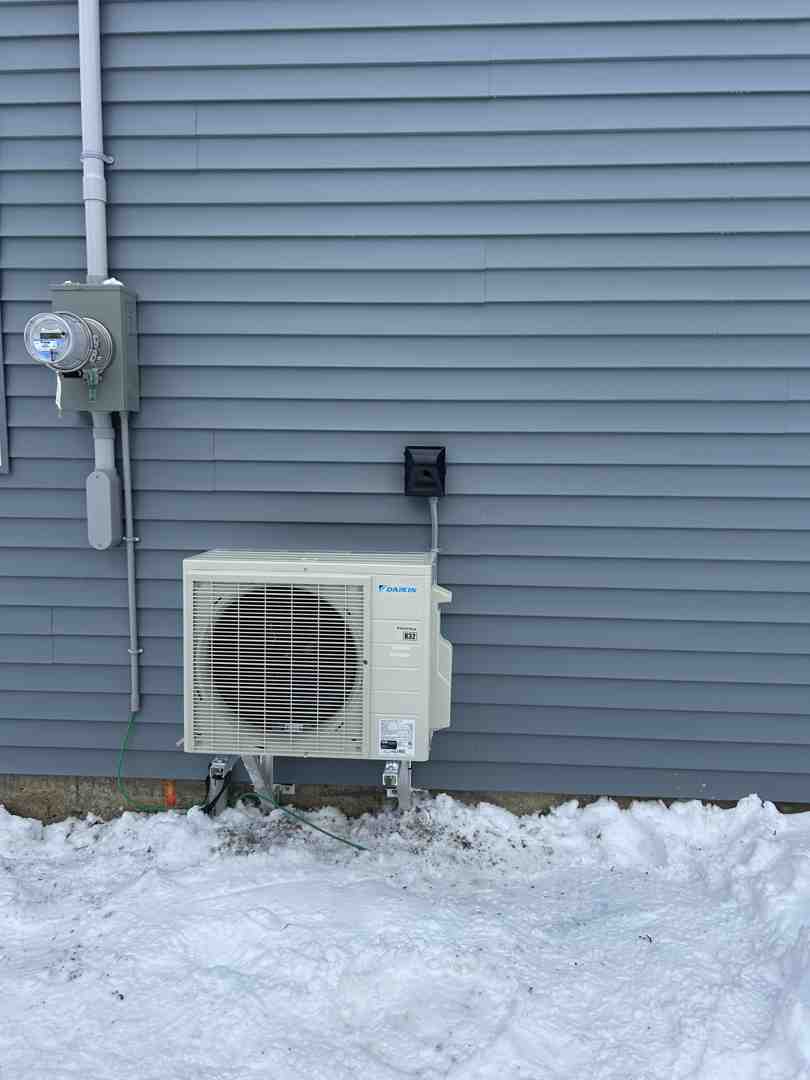

Upgrading your home's climate control is one of the most meaningful improvements you can make for year-round comfort, indoor air quality, and overall efficiency. Across Nova Scotia, homeowners are paying closer attention to how their homes perform through damp spring weather, humid summers, and long winter cold snaps. Choosing the right system is not just about adding new equipment. It is about creating a healthier, more consistent living environment that suits your layout, insulation levels, and day-to-day routine.
Presidential Ventilation Systems works with homeowners who want practical, modern solutions for better temperature control and improved airflow. With more than 30 years of experience serving communities throughout Halifax Regional Municipality and surrounding areas, the team understands the specific demands of the Maritime climate. That local knowledge matters when planning upgrades for coastal homes, older properties, and family houses with varying comfort needs from one room to another.
Key facts to know right now:
Homeowners often notice the same warning signs before they decide to upgrade: uneven temperatures between floors, stale indoor air, drafts, noisy operation, or a system that struggles during weather extremes. These issues can point to more than one problem, including poor airflow, aging components, inadequate insulation, or a system that no longer matches the home's needs. A carefully planned upgrade can address those underlying comfort issues instead of only treating the symptoms.
Another important part of the process is looking at the home as a complete system. Ventilation, electrical capacity, insulation, and equipment sizing all affect performance. A modern climate control upgrade works best when those pieces are considered together. That is why many Nova Scotia homeowners benefit from working with a company that can provide coordinated HVAC, electrical, and insulation support under one roof.
Whether you are looking to enhance your indoor air quality or simply want a more reliable way to manage your home's temperature, understanding the options available for your specific property is the first step toward a more sustainable future. With the right guidance, your home can feel more comfortable in every season while supporting long-term efficiency goals.
As we move through April 2026, the conversation around home comfort in Nova Scotia has become more focused on complete, professionally planned upgrades rather than simple equipment swaps. For residents in Halifax, Dartmouth, Bedford, Sackville, and across the HRM, the goal is to create a home that stays comfortable through all four seasons while reducing unnecessary energy loss. Working with a team that understands local construction styles, coastal conditions, and the real-world demands of the region is essential for achieving lasting results.
Every home has a different comfort profile. Some properties have hot upper floors in summer and chilly basements in winter. Others struggle with airflow to additions, sunrooms, or back bedrooms. That is why choosing the right system for your layout matters so much. For many homes in Bedford or Sackville, ductless configurations are a practical solution because they allow targeted comfort in specific areas. Homes with existing ductwork may benefit from more centralized air distribution that supports whole-home consistency.
No matter which approach is best for your property, the most effective systems in 2026 are designed for dependable cold-weather performance, quiet operation, and better humidity management. Features like variable-speed operation and zone control can make a noticeable difference in everyday comfort, especially in larger family homes or multi-level houses.
Proper planning remains one of the most important parts of a successful project. A rushed installation can lead to sizing issues, uneven temperatures, avoidable wear, and disappointing long-term performance. A better path is to begin with a careful review of the home's current condition, including insulation levels, ventilation, air leakage, and the capacity of any supporting electrical components.
For homeowners in Dartmouth and nearby communities, professional planning also helps coordinate the sequence of work when multiple upgrades are involved. For example, ventilation improvements, insulation enhancements, and climate system updates often perform best when they are designed together. Booking a professional assessment early can help clarify the best next steps and reduce delays later in the project.
A strong plan also gives homeowners confidence. Instead of guessing at what the house needs, you can make decisions based on the layout, existing conditions, and comfort goals for your family. That is especially valuable in Nova Scotia, where weather changes quickly and a home's mechanical systems need to perform reliably in all seasons.
Many Nova Scotia homeowners are looking for practical ways to move away from older fuel-based equipment and toward cleaner, more efficient electric-based climate systems. This shift is about more than replacing one piece of equipment with another. It is a broader modernization of how a home is heated, cooled, and ventilated, with a focus on comfort, reliability, and long-term performance.
In many cases, transitioning to a modern system involves several connected improvements. Older infrastructure may need to be removed, electrical components may need to be updated, and airflow may need to be reassessed to support better whole-home comfort. These details are easy to overlook, but they have a major impact on how well the finished system performs once the work is complete.
This is where an experienced, full-service contractor adds real value. Presidential Ventilation Systems can look at the complete picture, from climate control equipment and ventilation to electrical readiness and insulation support. That integrated approach helps homeowners avoid piecemeal upgrades that leave comfort issues unresolved.
Modern energy solutions can also improve day-to-day livability in ways homeowners notice quickly. Better temperature consistency, quieter operation, improved air circulation, and more responsive control all contribute to a more enjoyable indoor environment. For families spending more time at home, those comfort gains can be just as important as the efficiency benefits.
Because every property is different, there is no single upgrade path that suits everyone. Older homes in Halifax may require different planning than newer homes in Fall River, Timberlea, or Mount Uniacke. A professional evaluation helps determine the right combination of equipment and supporting work so the final result is well matched to the home itself.
The Home Energy Assessment is the foundation of any successful home improvement project. A Registered Energy Advisor will visit your home to perform a comprehensive evaluation of your property's energy health. During this audit, the advisor identifies air leaks, evaluates insulation, and reviews your current mechanical systems. You will receive a customized report that serves as a roadmap for your upgrades. This report tells you exactly where you're losing energy and which improvements will provide the best return on your investment in comfort.
For many homeowners, this step brings clarity to problems they have noticed for years but could not fully explain. Cold spots near windows, excess humidity, stale air in certain rooms, and fluctuating temperatures between levels often trace back to a combination of insulation gaps, air leakage, and outdated mechanical design. An assessment helps connect those symptoms to specific causes.
It also makes planning easier. Instead of choosing upgrades based only on guesswork, homeowners can prioritize improvements in a logical order. In some homes, ventilation corrections may be essential before other work is completed. In others, insulation upgrades and air sealing may be necessary to help a new climate system operate as intended. This whole-home perspective is especially important in Nova Scotia, where seasonal weather swings place constant demands on building performance.
A thorough assessment is not just helpful for major renovation projects. It can also guide smaller, targeted upgrades that improve comfort in the rooms you use most. Whether your goal is better airflow, more even temperatures, or healthier indoor air, the assessment gives you a more reliable starting point for making informed decisions.
Navigating the process of upgrading your home's systems is straightforward when you follow a professional path. We recommend a structured approach to ensure your home reaches its full potential.
A structured process helps homeowners stay focused on outcomes that matter: comfort, air quality, reliability, and system performance. It also reduces the risk of choosing equipment that is too large, too small, or poorly suited to the home's layout. Good planning makes installation smoother and supports better long-term results.
Documentation is still important during a home upgrade project, especially when multiple services are involved. Keeping organized records of ownership, product details, and contractor invoices makes it easier to track what was installed and how the work was completed. This is useful not only for project coordination but also for future maintenance and home records.
Homeowners should also look for a contractor that can explain the process clearly from beginning to end. The best experience usually comes from working with a team that communicates well, evaluates the home carefully, and takes the time to match the solution to the property rather than recommending a one-size-fits-all approach.
As we talk to homeowners from Cole Harbour to Tantallon, we hear many of the same questions regarding home efficiency.
Homeowners often ask how to coordinate a larger upgrade project when multiple improvements are being considered at once. The best first step is to map out the entire project with a professional team so each part of the work supports the others. Ventilation, insulation, electrical updates, and climate system improvements often overlap, and planning them together can help the home perform more consistently once the project is complete.
To ensure your project proceeds smoothly, keep the following documents ready:
Having these records organized from the start can make the overall process easier, especially if the project includes several phases or multiple types of work. It also gives you a clear record of what was installed in your home.
Always verify a contractor through official directories. Look for a company with a strong local reputation, clear communication, and experience with the specific type of residential work your home requires. It is also wise to choose a team that understands Nova Scotia homes and can explain why a particular system or design is being recommended.
Be wary of unsolicited offers or anyone creating pressure to make an immediate decision. A professional contractor should be willing to assess your home, answer your questions, and provide a clear scope of work. Homeowners benefit most when they work with an established local company that takes a whole-home view of comfort and efficiency.
The shift toward energy efficiency is one of the most positive changes happening in Nova Scotia today. By investing in modern climate control systems, you are enhancing your home's comfort and contributing to a more sustainable future for the province.
At Presidential Ventilation Systems, we bring over 30 years of experience to every project. As a trusted local provider, we understand the technical requirements of modern home efficiency upgrades and the day-to-day comfort challenges faced by Nova Scotia homeowners. We serve communities across the HRM and nearby areas, from Burnside and Bedford to Peggy's Cove and Mount Uniacke, with solutions designed for our unique Maritime climate.
Our team supports homeowners with residential HVAC, electrical, and insulation services, allowing for a more complete approach to home performance. That means your upgrade can be planned with the full picture in mind, from airflow and ventilation to system compatibility and building envelope improvements. This coordinated approach helps create homes that feel better in every season.
Whether you are in Halifax, Dartmouth, Lower Sackville, Fall River, Tantallon, or another nearby community, working with an experienced local company can make the process more straightforward and more effective. If you are ready to improve comfort, ventilation, and energy performance in your home, explore our ventilation and climate services and learn how Presidential Ventilation Systems can help you move forward with confidence.
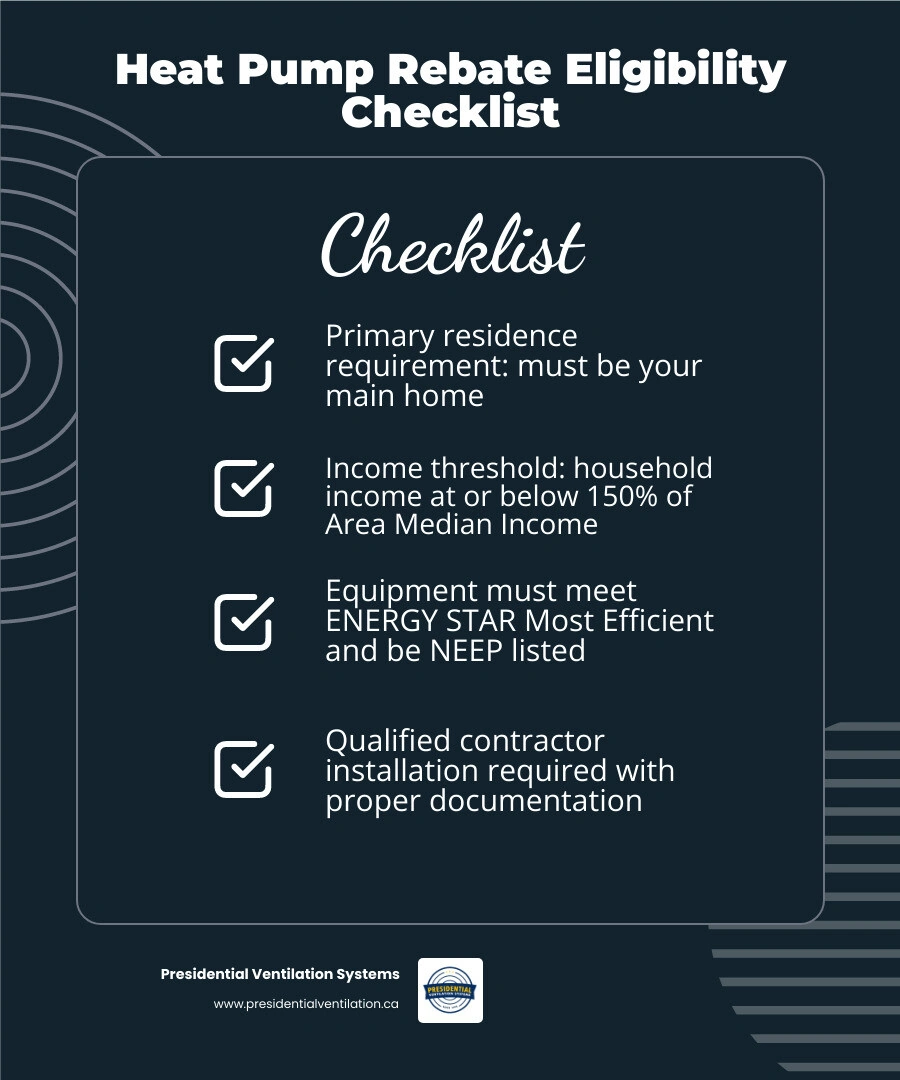
The eligibility requirements for home comfort upgrades vary depending on your income, property type, location, and the equipment you choose — but most homeowners qualify for at least one meaningful incentive. Here's a quick overview of the core requirements:
Key eligibility factors at a glance:
Upgrading your climate control system is one of the most impactful home improvements you can make. Studies show homeowners see significant improvements in heating and cooling efficiency after switching — and with federal tax credits and state or provincial programs offering additional support, the upfront investment becomes much more manageable. But accessing those benefits starts with understanding exactly what each program requires before you begin.
Discover more about eligibility requirements for home comfort upgrades:
Navigating the financial landscape of home comfort upgrades can feel overwhelming, but understanding federal tax credits is the first step toward significant savings. In the tax code, Section 25C governs the Energy Efficient Home Improvement Credit. This incentive allows homeowners to claim a tax credit on qualified energy-efficiency improvements.
For high-efficiency systems, this tax credit has an annual limit. Because this is an annual cap rather than a lifetime limit, strategic planning allows homeowners to spread out upgrades over multiple tax years. For example, you might install a qualifying system this year and upgrade your electrical panel or insulation next year to maximize separate annual limits.
The overall annual limit for all efficiency tax credits combined under Section 25C is capped. This means you can combine your system credit with other home envelope improvements (such as windows, doors, or insulation) up to that maximum cap. To learn how these financial mechanisms lower your barrier to entry, read about How Programs Make Installation Affordable.
Eligibility for federal and provincial programs depends heavily on who owns the property, how it is used, and the household's financial profile.
To protect consumers and ensure actual energy reduction, programs enforce strict technical performance standards. You cannot simply install any off-the-shelf system and expect to receive an incentive.
While federal tax credits provide a solid foundation, state and provincial programs offer direct, localized relief. The primary difference lies in how you receive the support. Federal tax credits are non-refundable and claimed when you file your annual tax return, reducing your tax liability. Other programs, however, are often paid out as cash-back checks or direct point-of-sale discounts from the installing contractor.
In Nova Scotia, regional programs are designed to help homeowners transition away from fossil fuels. Programs managed by Efficiency Nova Scotia provide structured pathways to verify your home's current efficiency and identify the most impactful upgrades. Understanding how these local programs compare to federal tax credits is crucial for optimizing your project.
To help you visualize the differences, here is a comparison of how these programs operate:
| Feature | Federal Tax Credits (Section 25C) | State/Provincial Programs (e.g., Efficiency Nova Scotia) |
|---|---|---|
| Primary Method | Tax liability reduction | Point-of-sale discount or cash-back check |
| Administration | Federal government (IRS/CRA) | Provincial/State energy offices & utilities |
| Audit Required? | No, but highly recommended | Yes, pre- and post-retrofit assessments are mandatory |
| Income Limits | None (flat credit up to caps) | Tiered structures with higher support for lower incomes |
| Equipment Lists | CEE Tiers / ENERGY STAR | Program-specific qualified product lists (NEEP) |
To ensure you follow the correct steps for local incentives, read our detailed guide on the Efficiency Nova Scotia Process Explained. You can also explore the specific regional pathways available by reading about Nova Scotia Energy Programs for Home Comfort Upgrades.
Claiming your incentives requires careful attention to detail and thorough documentation. Missing a single form or choosing an unapproved contractor can disqualify your entire project.
To secure your tax credits and program benefits, follow this step-by-step documentation workflow:
For a deeper look at optimizing this process, read our guide on How to Maximize Your Program Savings.
One of the most effective strategies for reducing the cost of an HVAC upgrade is "incentive stacking." This involves combining federal tax credits, provincial programs, local utility incentives, and manufacturer promotional offers on a single project.
Many manufacturers offer seasonal promotions on high-efficiency ductless systems and central ducted systems. When these promotional discounts are applied at the point of purchase, they lower your initial invoice. From there, provincial programs can cover a portion of the remaining balance, and federal tax credits can be applied to the net cost when you file your taxes.
However, rules govern how these incentives interact. For federal tax credits, you must subtract any utility or manufacturer incentives from your total project cost before calculating your credit.
For residents in our service areas, localized municipal and utility programs provide tailored pathways to save. You can explore regional opportunities and savings expectations through these helpful resources:
For most federal tax credits and low-income programs, the rules state that the property must be your primary residence. However, landlords can often access commercial energy-efficiency programs, multi-family building incentives, or specific utility programs designed to improve rental housing stock. Always check your local program guidelines, as tenant-occupied properties may qualify if the utility account is in the tenant's name or if the landlord meets specific program conditions.
Yes. Because standard systems lose efficiency as outdoor temperatures drop, cold-climate systems must meet more stringent standards to qualify for northern programs. They must be listed on the NEEP Cold Climate Product List, which verifies they can operate efficiently at low temperatures. Additionally, some whole-home programs require you to legally decommission your legacy oil or gas heating system, or install integrated smart controls to manage backup heating systems efficiently.
Manufacturer promotions that are applied directly to your invoice reduce the purchase price of the system. Under federal tax rules, you must calculate your tax credit based on the actual net cost you paid out of pocket. This means you must subtract any upfront manufacturer or utility incentives from the total invoice before calculating your tax credit.
Understanding the eligibility requirements for home comfort upgrades is the key to maximizing your investment in home comfort and energy efficiency. By matching certified equipment with professional installation and thorough documentation, you can transition to a modern HVAC system while keeping your upfront costs as low as possible.
At Presidential Ventilation, we bring over 30 years of experience to homeowners across Halifax, Dartmouth, Bedford, and surrounding communities. As a leading Daikin Comfort Pro Dealer, we specialize in designing custom ventilation, heating, and air handling solutions tailored to our local climate. We help you navigate local utility guidelines, select qualifying cold-climate systems, and ensure your installation meets all provincial standards.
Ready to upgrade your home’s comfort and efficiency? Explore our services at Presidential Ventilation Systems or learn about local Dartmouth opportunities at Incentives Dartmouth NS. Contact our team today to schedule your consultation!
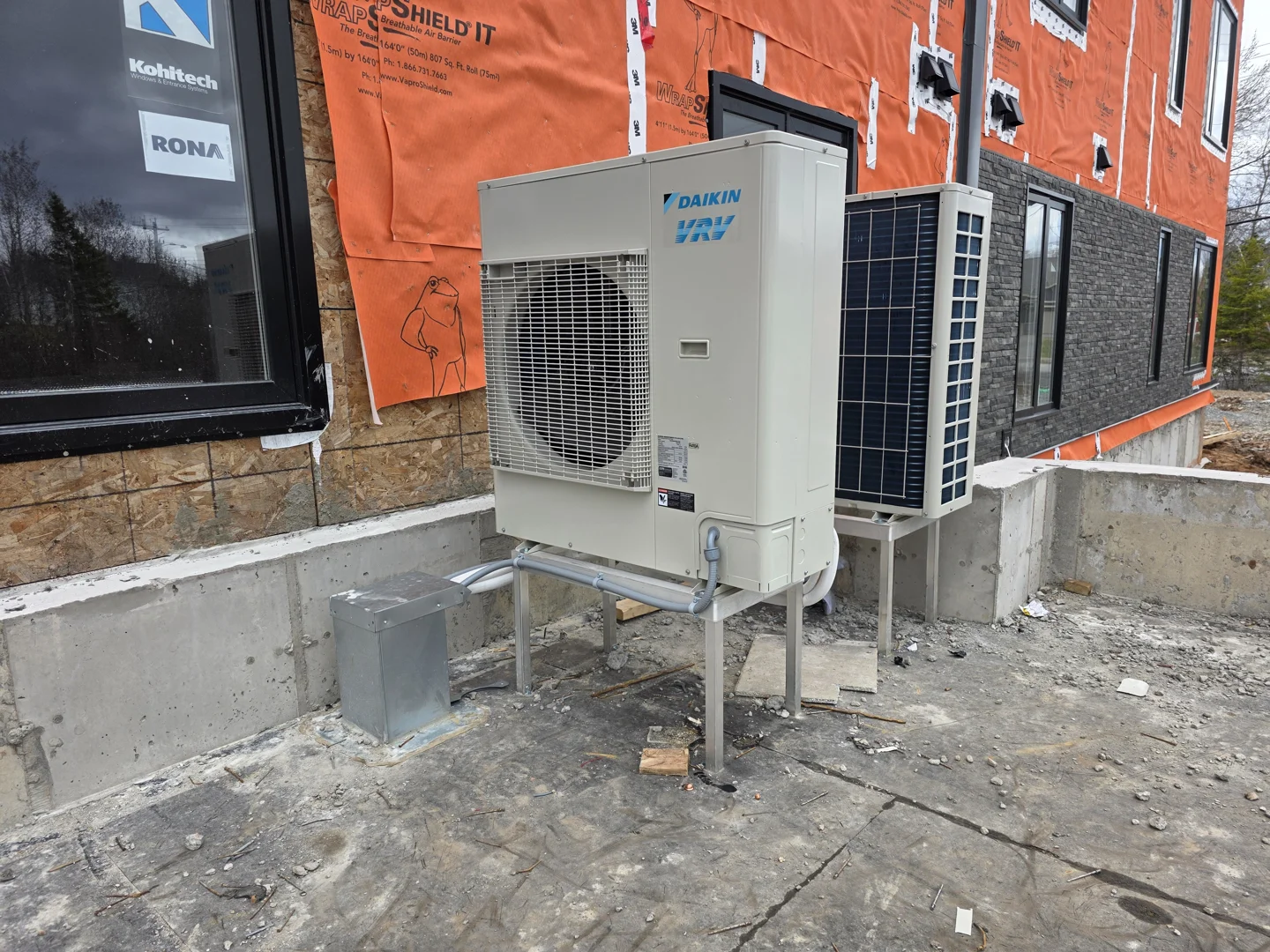
When planning a new construction project, designing a high-performance ventilation and air handling system is one of the most critical steps for long-term indoor air quality and comfort. Modern homes are built tighter than ever, which makes proper airflow, fresh air exchange, and custom duct design essential.
Here is what you need to know about planning your home's ventilation system:
New Build Ventilation Planning at a Glance
| Requirement | Ventilation System Role |
|---|---|
| Fresh Air Exchange | Managed by Energy Recovery Ventilators (ERVs) or Heat Recovery Ventilators (HRVs) |
| Balanced Airflow | Achieved through professional air balancing and custom duct design |
| Moisture Control | Prevents condensation and maintains healthy humidity levels |
| Exhaust Systems | Dedicated ducting for kitchens, bathrooms, and utility spaces |
| Custom Fabrication | Tailored ductwork to fit the unique architectural layout of your home |
Properly planning your ventilation system during the initial design phase ensures that your home remains healthy, comfortable, and energy-efficient. Working with experienced professionals allows you to integrate air handling systems seamlessly into your building plans before construction begins.
In modern home construction, the layout of your air distribution system dictates how comfortable and healthy your living spaces will be. A poorly designed duct system can lead to uneven temperatures, noisy operation, and poor indoor air quality.
For homeowners and builders across Halifax, Dartmouth, Bedford, Sackville, Cole Harbour, Fall River, Tantallon, Timberlea, Mount Uniacke, Porters Lake, and surrounding areas, custom duct design is the foundation of a high-performing home. By planning the layout early, you can ensure optimal airflow to every room.
| Design Factor | Custom Ducted Systems | Non-Ducted Air Distribution |
|---|---|---|
| Air Filtration | Centralized high-efficiency filters | Room-by-room filtration |
| Fresh Air Integration | Seamlessly connects to ERVs/HRVs | Requires independent ventilation |
| Aesthetic Impact | Concealed registers and grilles | Visible wall-mounted units |
| Air Balancing | Highly adjustable dampers | Limited to unit placement |
| Custom Fabrication | Tailored to architectural plans | Standardized components |
To get the most out of your air handling system, ventilation planning should never be an afterthought. Your builder, mechanical contractor, and ventilation specialists should coordinate during the framing stage. This allows for:
For design decisions, our guide on choosing between ducted and ductless systems when building a new home in Nova Scotia is a helpful starting point for understanding air distribution options.
To maintain a healthy indoor environment, modern homes require dedicated mechanical ventilation. Energy Recovery Ventilators (ERVs) and Heat Recovery Ventilators (HRVs) are the gold standard for fresh air management.
These systems work by continuously exhausting stale indoor air and replacing it with fresh outdoor air. During this process, they transfer heat (and moisture, in the case of ERVs) between the incoming and outgoing air streams, ensuring your home remains comfortable without wasting energy.
When planning these upgrades, understanding how different systems integrate with your home's overall energy profile is helpful. For instance, our Efficiency Nova Scotia process guide provides context on how professional home energy assessments evaluate overall airtightness and ventilation needs. Additionally, reviewing historical upgrade pathways in our guide to Nova Scotia energy upgrades can offer insights into how comprehensive home efficiency improvements are structured.
A high-quality ventilation system relies on precise air balancing. Air balancing is the process of testing and adjusting your air handling system to ensure that the correct amount of air is delivered to each space, as specified by the design.
Without proper air balancing, a home can experience several issues:
Our team focuses on custom duct design and precise air balancing to ensure your system operates quietly and efficiently. For a deeper look at how airflow and system design impact home comfort, our Halifax ventilation installation guide explains many of the air distribution and duct design factors that apply across the Halifax area and surrounding communities.
Integrating a custom ventilation system into a new build requires careful coordination between the design team, builders, and mechanical contractors. Following a structured process ensures that the system is installed correctly and performs as intended.
Keeping detailed records of your system's design, including duct layouts and equipment specifications, is highly recommended for future maintenance. To learn more about maximizing the efficiency of your home's mechanical systems, our guide on how to maximize your system efficiency offers valuable tips on system optimization and maintenance.
Every home has a unique architectural layout, which means off-the-shelf ductwork components rarely provide the best performance. Custom sheet metal fabrication allows for smooth transitions, minimal airflow resistance, and a system that fits perfectly within your home's structural constraints.
Your air handling and ventilation systems require dedicated electrical planning. Coordinating these systems early prevents delays and ensures that your electrical panel has the capacity to support all mechanical equipment, including backup heating elements and ventilation controls.
We emphasize the importance of early collaboration between trades. Our guide to electrical planning for new construction in Atlantic Canada highlights how these systems must be integrated from the start.
Additionally, understanding how different home upgrades work together can help you plan a more cohesive system. You can read our article on how system upgrades can make installation more affordable to see how various mechanical upgrades have historically been coordinated for maximum efficiency.
Custom duct design ensures that your air handling system is sized perfectly for your home's specific layout. This prevents common issues like noisy vents, weak airflow, and uneven temperatures, while maximizing the efficiency of your ventilation equipment.
An HRV (Heat Recovery Ventilator) transfers heat from the exhaust air to the incoming fresh air. An ERV (Energy Recovery Ventilator) transfers both heat and moisture, helping to keep indoor humidity levels balanced during both hot, humid summers and dry winters.
It is best to involve a ventilation specialist during the early design phase, before framing begins. This allows us to design the ductwork layout and coordinate with the builder to ensure adequate space is left for duct runs and mechanical equipment.
If your project requires professional electrical coordination alongside your mechanical systems, our new construction electrical services in Nova Scotia can help align your home's infrastructure from day one.
Designing a high-performance ventilation system is essential for creating a healthy, comfortable, and energy-efficient new home. By focusing on custom duct design, professional air balancing, and advanced air handling solutions, you can ensure your home has excellent indoor air quality for years to come.
At Presidential Ventilation, we help homeowners and builders across Halifax, Dartmouth, Bedford, Sackville, Cole Harbour, Fall River, Tantallon, Timberlea, Mount Uniacke, and nearby communities plan and install custom ventilation systems.
To get started on your new build's ventilation design, visit our Nova Scotia ventilation guidance page to connect with our team and discuss your project's unique requirements.